Proven SEO Strategies to Boost Your Website Rankings
Search engine rankings decide who gets traffic and who stays invisible. Today, most users click results on the first page only. So, strong SEO is no longer optional. It is essential.
SEO helps brands improve visibility through proven SEO strategies. These methods focus on long-term growth, not short-term tricks. This guide shares clear and practical steps that help websites rank higher, attract the right audience, and build steady organic traffic.
You will find seo tips and tricks, expert keyword seo hacks, and strategic organic seo advice that actually work. You will also see a complete SEO Checklist you can follow step by step.
Understanding SEO and Why Rankings Matter
SEO helps search engines understand your website. It also helps users find answers faster. When SEO is done right, your pages appear for relevant searches. As a result, traffic grows naturally.
However, ranking is not about one trick. It depends on content quality, keywords, links, and technical health. Therefore, SEO needs planning, testing, and consistency.
Also, search engines change often. Because of that, relying on outdated methods leads to slow results. Smart SEO focuses on users first. Then, it aligns content with search engine rules.
This is where strategic organic seo advice becomes valuable. Instead of chasing algorithms, you build trust, relevance, and authority.
Keyword Research: The Base of Strong SEO
Every successful SEO strategy starts with keyword research. Without it, content has no direction. So, ranking becomes difficult.
Keywords show what users want. They also reveal how people search. Therefore, choosing the right terms helps you match search intent.
How to Choose the Right Keywords
Start by identifying your main topic. This should reflect your audience’s primary search intent. Then, expand into related terms that naturally connect to the main topic. For example:
- Primary keywords – core terms that define your content focus.
- Long-tail keywords – more specific phrases that target niche searches.
- Question-based searches – phrases that reflect common user questions.
- Semantic keywords – words and phrases that give context to your main keywords.
Using this approach helps search engines understand your content’s meaning and relevance. Also, it improves user experience because your pages match what people are searching for. Over time, this leads to better rankings and more targeted traffic.
Expert Keyword SEO Hacks That Work
Here are expert keyword seo hacks used by professionals:
- Analyze competitor pages that already rank
- Find keyword gaps they miss
- Use low-competition keywords with clear intent
- Group keywords by topic, not by page
Also, avoid forcing keywords. Natural placement improves readability. It also lowers bounce rates.
At Guest Posting Solution, keyword research drives every campaign. As a guest posting company, we focus on keywords that attract buyers, not just traffic.
On-Page SEO Tips and Tricks for Better Rankings
On-page SEO helps search engines read your content. It also makes your site easier for users to navigate. When done right, it improves rankings and keeps visitors engaged. Using clear headings, optimized text, and smart keyword placement makes your pages stronger.
Optimize Titles and Meta Descriptions
Your title is the first thing people see in search results. Make it clear and short. Include the main keyword so users and search engines know the topic. Keep titles under 60 characters to avoid them being cut off.
Meta descriptions work like a mini-ad. Explain what users will get from your page. Include keywords naturally, but focus on benefits. Good meta descriptions get more clicks. More clicks show search engines your page is useful, which can help your ranking over time.
Use Headings to Guide Readers
Headings divide your content into logical sections. They help users scan pages easily and help search engines understand the structure of your content.
- Use one H1 per page to reflect the main topic.
- Use clear H2s for main ideas or sections.
- Use H3s for sub-points that support H2s.
Also, sprinkle relevant keywords naturally in headings where they fit. Avoid forcing keywords, as that can reduce readability. Well-structured headings enhance both user experience and SEO performance.
Improve Content Readability
Readable content keeps users engaged and reduces bounce rates. To improve readability:
- Write short sentences that are easy to follow.
- Use simple words instead of complex jargon.
- Favor active voice to make sentences direct and lively.
- Include transition words like also, however, therefore, for example, in addition to improving flow.
Using these seo tips and tricks ensures your content performs better without relying on technical complexity. Smooth, engaging content encourages readers to stay longer, which in turn signals search engines that your page is high quality.
Additional On-Page Tips
- Include internal links to related pages to improve navigation and crawlability.
- Use descriptive alt text for images to enhance accessibility and SEO.
- Keep URL structures clean and readable, reflecting page hierarchy.
- Regularly update content to maintain relevance and freshness.
These on-page techniques, combined with clear headings and readable text, make your pages more appealing to both users and search engines. By applying these practices consistently, your website can achieve higher rankings, better engagement, and increased traffic.
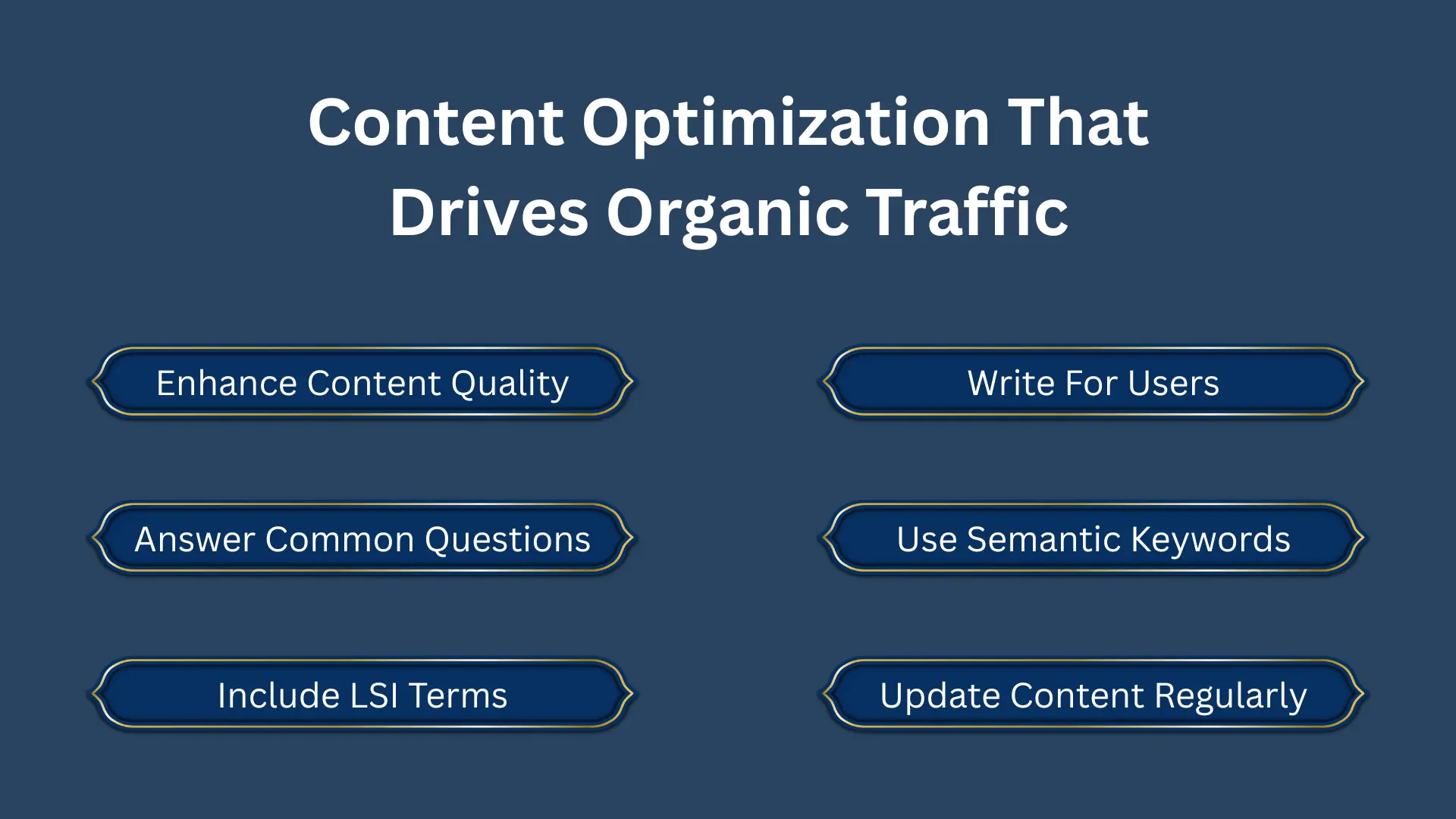
Content Optimization That Drives Organic Traffic
Content quality plays a major role in rankings. Thin content rarely performs well. In contrast, helpful content builds authority.
Write for Users First
Search engines reward content that solves problems. Therefore:
- Answer common questions
- Explain topics clearly
- Share actionable advice
Also, avoid keyword stuffing. It hurts readability and trust.
Use Semantic and LSI Keywords
Semantic keywords help search engines understand meaning. LSI terms support the main topic.
For example, content about SEO may include:
- Search visibility
- Organic traffic
- Ranking factors
- Search intent
- Content optimization
This improves topical depth. As a result, pages rank for more queries.
Update Content Regularly
Fresh content performs better. So:
- Update stats
- Add new examples
- Improve outdated sections
This signals relevance to search engines.
Technical SEO Checklist for Strong Performance
Technical SEO affects how search engines crawl and index your site. Even good content struggles without it.
Below is a practical SEO Checklist for technical health.
Core Technical SEO Elements
- Mobile-friendly design
- Fast page loading speed
- Secure HTTPS connection
- Clean URL structure
- XML sitemap submission
- Proper robots.txt file
Also, fix broken links and crawl errors. These issues block indexing.
Improve Page Experience
User experience affects rankings. Therefore:
- Optimize images
- Reduce script size
- Improve core web vitals
Search engines prefer fast and stable pages. So, technical fixes bring quick wins.
Off-Page SEO and Link Building Strategies
Off-page SEO builds authority. It shows search engines that others trust your site.
Backlinks are the strongest off-page signal. However, quality matters more than quantity.
Smart Link Building Methods
Effective link building includes:
- Guest posting on relevant sites
- Editorial backlinks
- Brand mentions
- Resource page links
Avoid spam links. They damage rankings.
This is where a reliable guest posting company makes a difference. At Guest Posting Solution, we focus on real sites with real traffic.
How Guest Posting Improves SEO Rankings
Guest posting remains one of the most effective SEO strategies. When done right, it builds authority and trust.
Benefits of Guest Posting
- High-quality backlinks
- Increased brand exposure
- Referral traffic
- Improved keyword rankings
However, success depends on relevance and quality. Random links do not help.
As a professional, Guest Posting Solution secures placements on niche-relevant sites. This supports long-term SEO growth.
Also, guest posts strengthen topical authority. So, search engines see your brand as a trusted source.
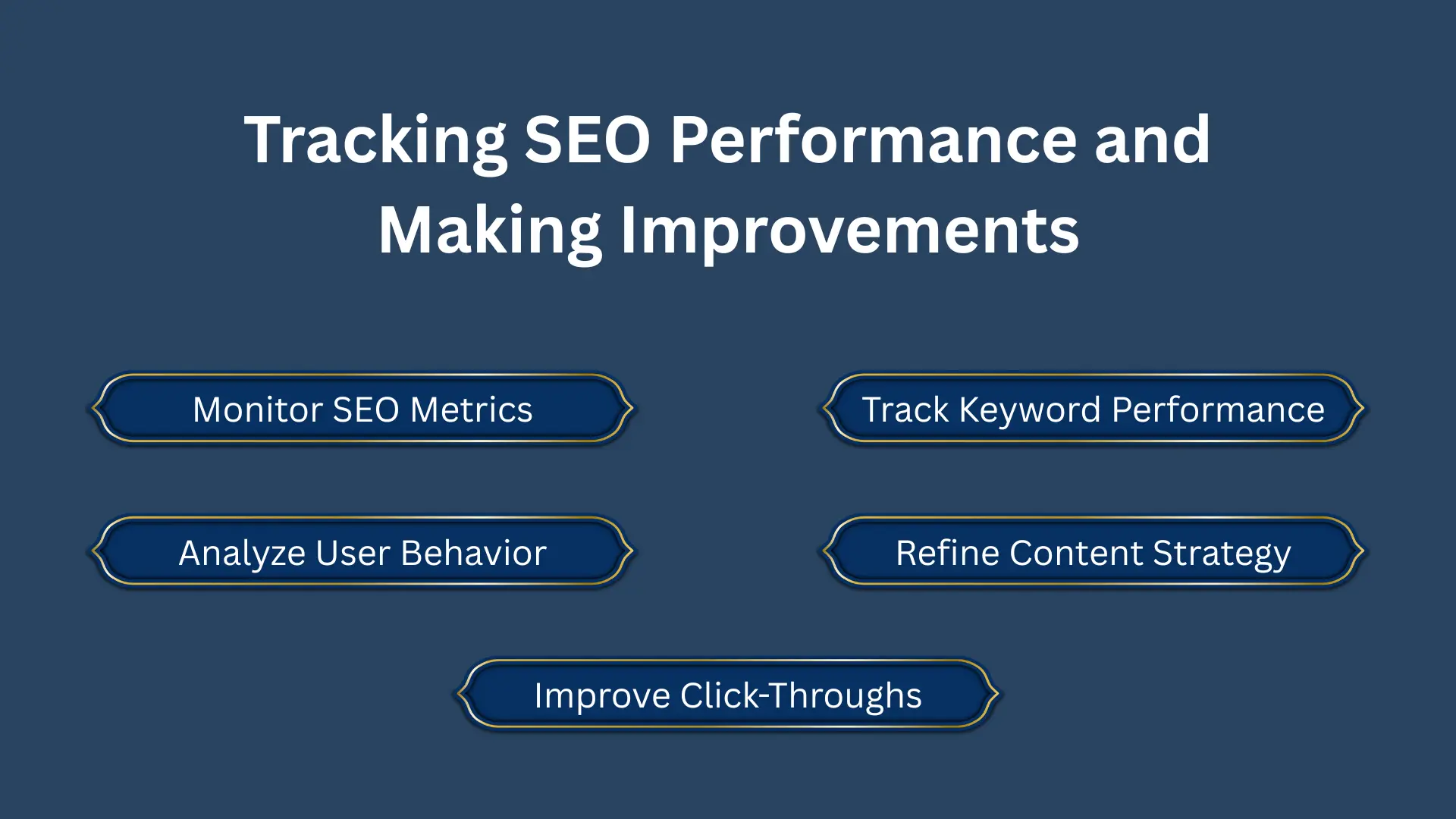
Tracking SEO Performance and Making Improvements
SEO is not a one-time task. It requires monitoring and adjustments.
Key Metrics to Track
Use tools like Google Analytics and Search Console to track:
- Organic traffic
- Keyword rankings
- Click-through rates
- Bounce rate
- Indexed pages
These insights show what works and what needs improvement.
Refine Your Strategy
If a page ranks but gets low clicks, improve titles. If traffic drops, update content. Therefore, small changes lead to better results.
This data-driven approach supports strategic organic seo advice that grows over time.
Complete SEO Checklist for Higher Rankings
Here is a simplified SEO Checklist you can follow:
- Research keywords with search intent
- Optimize titles and meta descriptions
- Use clear headings and structure
- Write helpful, readable content
- Add semantic and LSI keywords
- Improve site speed and mobile usability
- Fix technical errors
- Build quality backlinks
- Publish guest posts on relevant sites
- Track results and update regularly
Following this checklist keeps your SEO efforts organized and effective. SEO requires time, experience, and strategy. Many businesses struggle because they lack consistent execution.
As a results-focused guest posting company, we support sustainable ranking growth, not risky shortcuts.
Final Thoughts
Improving SEO rankings takes effort. However, the rewards are worth it. Strong SEO builds trust, traffic, and long-term visibility.
By applying these seo tips and tricks, using expert keyword seo hacks, and following strategic organic seo advice, you can improve rankings steadily.
Also, use the SEO Checklist to stay consistent. When combined with quality guest posting, results become stronger.
If you want faster, safer growth, working with a professional guest posting company like Guest Posting Solution makes the process easier and more effective.
FAQs
What is the 80/20 rule in SEO?
The 80/20 rule means eighty percent of SEO results come from twenty percent of keywords, pages, or optimization efforts.
What are the 4 C’s of SEO?
The four C’s of SEO are content, code, credibility, and conversion, working together to improve visibility and rankings.
What is SWOT in SEO?
SWOT in SEO analyzes strengths, weaknesses, opportunities, and threats to improve search performance and competitive positioning.