Broken Link Checker: Advanced Backlink Audit Methods
Broken links quietly damage SEO performance by creating dead ends, wasting crawl budget, and breaking link equity flow. Many businesses overlook these issues until rankings begin to slip or traffic starts declining.
In reality, unnoticed 404 errors and outdated URLs silently drain authority and reduce visibility. Studies show that even a small percentage of broken links can waste crawl resources and weaken internal linking signals.
Advanced backlink audits combined with a reliable broken link checker help recover lost authority and improve rankings.
A broken link checker is a tool or audit process that scans websites to detect 404 errors, dead links, and invalid URLs, helping maintain SEO health, improve crawl efficiency, and protect backlink value.
This guide explains how to detect broken links, fix them strategically, and use them for link-building opportunities while aligning with commercial SEO goals and scalable growth.
Why Broken Links Matter in Backlink Audits?
Before diving into methods, it’s important to understand the real impact. Broken links are not just technical issues; they directly influence rankings and revenue.
1. SEO Impact of Broken Links
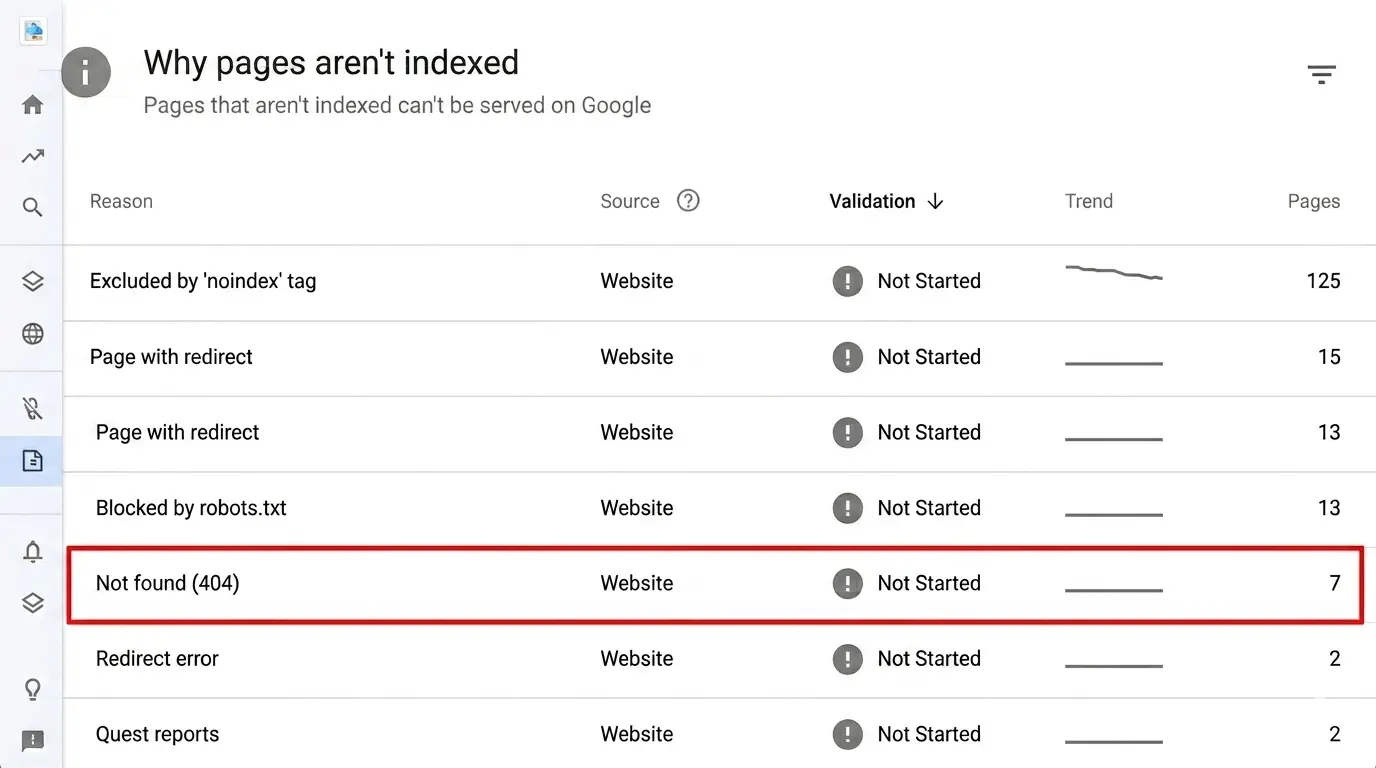
Broken links create serious structural issues in your website. When search engines crawl your site and encounter seo 404 not found errors, they waste valuable crawl budget that could have been used to index important pages. On large websites, even a small percentage of broken links can result in thousands of wasted crawl attempts every month.
Link equity loss is another major concern. When internal or external links point to dead pages, the authority that should pass through your site disappears. This weakens your entire internal linking structure and reduces ranking potential.
User behavior also shifts negatively. Visitors landing on broken pages often leave immediately, increasing bounce rates and signaling a poor experience to search engines.
2. Business Impact
Now shifting from a technical to a business perspective, the impact becomes even more critical. Broken backlinks mean lost opportunities. If high-authority websites link to pages that no longer exist, that value is completely wasted.
Conversion paths also break. A user clicking a product or service link that leads to a 404 page is unlikely to return. Over time, this affects revenue and brand perception.
Trust declines as well. Frequent broken links signal poor website maintenance, making businesses appear less reliable in competitive markets.
Types of Broken Links You Must Detect
Understanding different types of broken links helps prioritize audits effectively. Each type requires a slightly different strategy for detection and fixing.
1. Internal Broken Links
Internal broken links occur within your website and often result from deleted pages, URL changes, or incorrect linking. These are the most damaging because they disrupt site structure and prevent search engines from properly crawling and indexing important pages.
2. External Broken Links
External broken links point to other websites that no longer exist or have changed URLs. While they are outside your control, they still harm user experience, reduce trust, and weaken content quality signals for search engines.
3. Broken Backlinks (Inbound Links)
Broken backlinks, also called inbound broken links, occur when other websites link to pages on your site that now return 404 errors. These are critical because they lead to lost link equity and missed SEO opportunities if not recovered.
4. Soft 404 Errors vs Hard 404
Soft 404 errors are pages that appear valid but contain little or no useful content, confusing search engines. Hard 404 errors clearly indicate missing pages. Both waste crawl budget and reduce overall SEO performance when left unresolved.
5. Redirect Chains and Loops
Redirect chains happen when one URL redirects to another multiple times before reaching the final page. These chains slow down crawling, dilute link equity, and can create indexing issues if not properly managed.
These categories highlight why a website broken link checker must go beyond surface-level scanning and include deep analysis using a reliable link analyzer, 404 checker, and advanced auditing tools.
Advanced Methods to Find Broken Links (Core Section)
Now that the foundation is clear, the focus shifts to advanced detection strategies. These methods differentiate professional audits from basic scans.
1. Full-Site Crawl Using a Website Broken Link Checker
A full-site crawl is the first step in any comprehensive audit. Using a broken links checker, you can scan thousands of URLs and identify patterns across templates, navigation menus, and content sections.
Large websites often face repeated issues where one broken link appears across hundreds of pages due to template errors. Identifying such patterns allows faster fixes at scale.
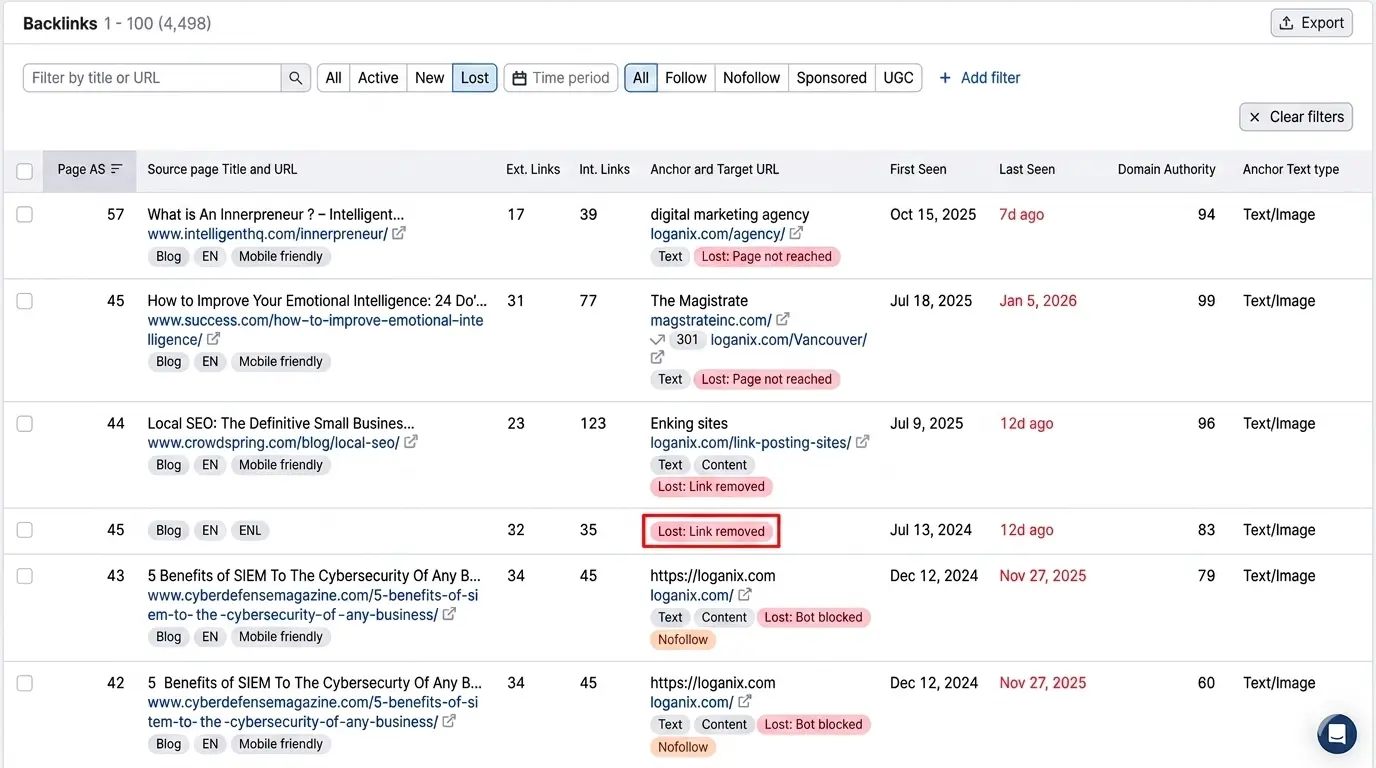
2. Backlink Audit for Broken Link Reclamation
This method focuses on recovering lost authority. By analyzing inbound links, you can find broken links and 404 errors pointing to your site.
Once identified, these links can be redirected to relevant pages, restoring link equity and improving rankings. This process, known as Broken Link Reclamation, is one of the most effective commercial SEO strategies.
3. Competitor-Based Broken Link Building
Another powerful approach involves competitor analysis. By scanning competitor websites, you can detect broken outbound links and replace them with your own relevant content.
This strategy, known as broken link building, turns others’ mistakes into backlink opportunities, helping businesses scale authority faster.
4. Log File Analysis for Hidden 404 Errors
Standard tools often miss hidden issues. Log file analysis reveals how search engines interact with your site, highlighting crawl inefficiencies and ignored URLs.
This method helps uncover bad links that are not visible in standard audits but still impact performance.
5. Manual URL Check for High-Value Pages
Automation alone is not enough. High-value pages such as landing pages and revenue-generating URLs require manual verification.
A simple URL check can reveal contextual issues that tools might overlook, ensuring critical pages remain optimized.
Tools & Techniques to Detect Broken Links Efficiently
Moving forward, selecting the right tools becomes essential. Efficient detection depends on combining automation with precision.
1. Automated Broken Links Checker Tools
Automated broken links checker tools act as full-site crawlers that scan every page and test each URL status. They identify errors like 404, 500, and redirect issues in bulk, making them ideal for large websites. These tools simulate how search engines crawl websites, ensuring comprehensive detection.
2. Dead Link Checker Systems
Dead link checker systems focus on identifying external link issues that affect content credibility. They analyze outbound links and highlight broken references caused by deleted pages or moved resources. This helps maintain content trust and ensures all linked resources remain accessible to users.
3. Browser Extensions for Quick Audits
Browser extensions like Check My Links provide instant insights during on-page audits. They scan a live webpage and highlight broken links in real time, allowing content teams to quickly check broken links without running a full crawl or technical setup.
4. Enterprise-Level Link Analyzer Tools
Advanced link analyzer tools combine crawl data, backlink profiles, and user behavior insights. These tools go beyond basic detection by mapping internal structures, identifying patterns, and helping businesses prioritize fixes that impact SEO performance and rankings.
5. Multi-Tool Strategy for Complete Coverage
Relying on a single website broken link checker is not enough for accurate audits. Combining a free broken link checker, 404 checker, and advanced tools ensures deeper analysis, better reporting, and no missed issues across internal and external links.
In brand mentions SEO, these tools also help identify where brand references appear without links, allowing businesses to align broken-link recovery with brand visibility opportunities.
How to Fix Broken Links for SEO Gains
Detection alone is not enough; you need to know how to fix broken links. Fixing broken links strategically is where real SEO gains happen. Each fix should align with both technical and business goals.
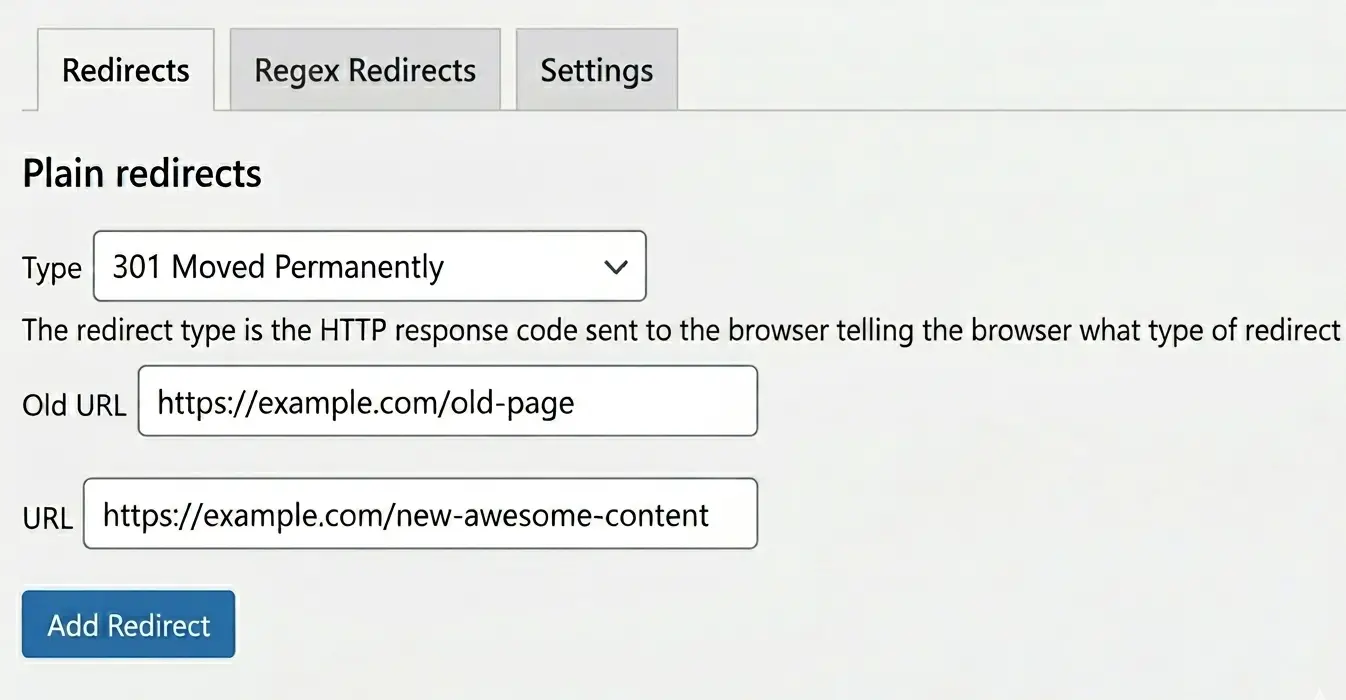
1. Redirect Strategy (301 vs 410)
A 301 redirect passes link equity to a new page, making it ideal for recovering backlinks. A 410 status code signals permanent removal, which is useful when content is no longer relevant.
2. Updating Internal Links
Fixing internal links improves crawl paths and ensures link equity flows correctly across your site. This step directly enhances site architecture.
3. Replacing or Removing Dead External Links
Outdated external links should either be replaced with relevant resources or removed entirely. This improves user trust and content quality.
4. Rebuilding Lost Pages
In some cases, rebuilding a deleted page is the best option, especially if it has strong backlinks.
Fixing broken links restores link equity, improves crawl efficiency, and enhances overall SEO performance.
Broken Link Reclamation Strategy (High Commercial Value)
Now shifting toward high-impact strategies, broken link reclamation stands out. It directly converts lost SEO value into measurable gains.
The process begins by identifying backlinks pointing to 404 pages. These links are then mapped to relevant live pages, ensuring continuity.
Outreach plays a key role. Website owners can be contacted to update links, further strengthening backlink profiles.
This approach helps regain lost backlinks, improve domain authority, and increase organic traffic without creating new content from scratch.
Broken Link Building as a Scalable SEO Strategy
Beyond fixing issues, broken links can be used as growth opportunities. This strategy transforms technical problems into link-building advantages.
By identifying broken links on authoritative websites, businesses can offer replacement content. This not only helps site owners fix issues but also earns high-quality backlinks.
Over time, this method builds a strong backlink profile, making it a scalable SEO strategy for agencies and growing businesses.
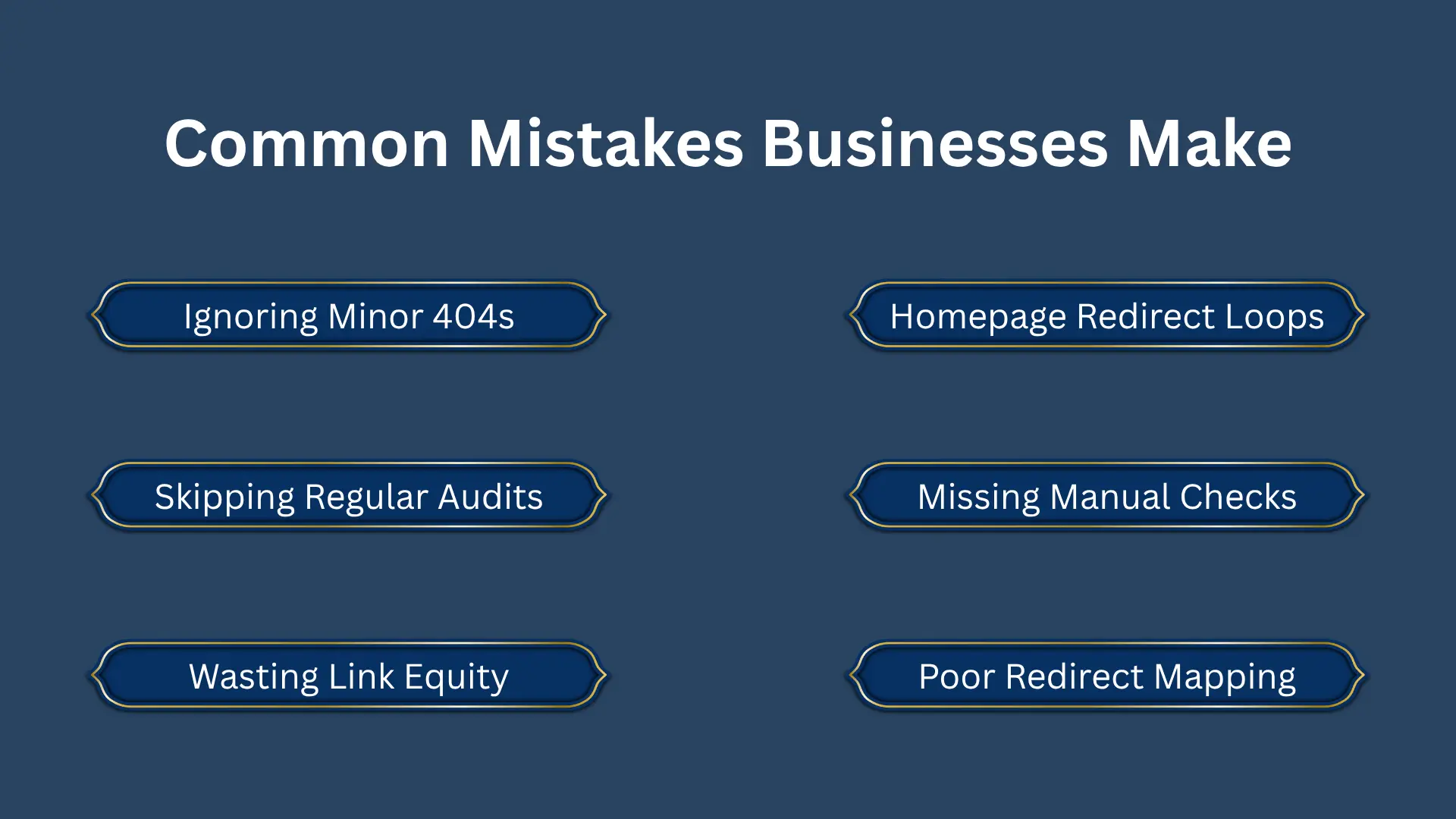
Common Mistakes Businesses Make
Despite access to tools, many businesses still struggle with broken links. These mistakes often limit the effectiveness of audits.
- Ignoring low-volume 404 errors is a common issue. While they may seem minor, they accumulate over time and impact crawl efficiency.
- Redirecting all broken links to the homepage creates confusion and reduces relevance.
- Many businesses fail to audit backlinks regularly, missing opportunities for reclamation.
- Relying only on automated tools without manual checks leads to incomplete audits.
When to Use a Professional Broken Link Audit Service
At this stage, the need for expertise becomes clear. Advanced audits require both technical tools and strategic insight.
Large websites with thousands of pages often face complex issues that require professional handling. E-commerce platforms and agencies managing multiple clients benefit the most from expert audits.
Manual validation combined with automated tools ensures accuracy. Tools alone cannot detect contextual relevance, making human analysis essential.
Professional Broken Link Audit & Backlink Recovery
If your site is losing rankings due to hidden 404 errors and broken backlinks, expert audits can recover lost authority and improve SEO performance.
Guest Posting Solutions helps businesses detect broken links at scale, recover lost backlinks, and build high-quality links through proven strategies tailored for growth.
Conclusion
Broken links are not just technical gaps; they are silent revenue leaks and authority drain. When you ignore them, they weaken crawl paths, disconnect backlink value, and reduce trust signal across your site.
A strong backlink audit recovers lost equity, strengthens internal structure, and align with modern brand mention SEO where visibility and link signals work together.
When you fix broken links strategically, these gaps turn into growth points that improve rankings, restore traffic, and build long-term SEO stability.
FAQs
What causes broken links on websites?
Broken links occur when pages are deleted, URLs change, or links are entered incorrectly. Missing redirects, expired domains, or server issues also create dead links that return 404 errors.
How often should I check my website broken links?
Small websites should run a broken link checker monthly to maintain link health. Large or frequently updated websites benefit from weekly audits to detect broken links early and protect SEO performance.
What is the best way to find broken links on a website?
The best broken link finder method combines automated tools, manual checks, and backlink audits. A website broken link checker identifies issues at scale, while manual URL checks ensure accuracy on high-value pages and critical links.