SEO Marketing Strategy: Actionable Methods That Really Work
Businesses need to move fast to stay competitive. A strong SEO marketing strategy helps make that possible. It improves website visibility, attracts the right visitors, and increases conversions. It also builds a stronger and more trusted brand online.
Small local companies and large global brands can both benefit from SEO. Therefore, the right approach helps reach the correct audience and supports steady growth over time.
This guide explains every key part of an SEO marketing strategy. It covers content planning, local SEO, B2B SEO, international SEO, and e-commerce SEO. You will also learn about useful tools and proven tactics that help deliver clear and measurable results.
What Is an SEO Marketing Strategy?
An SEO marketing strategy is a clear plan to improve your website’s visibility on search engines like Google. It focuses on gaining organic traffic rather than using paid ads.
This strategy brings together on-page SEO, off-page SEO, and technical SEO. Each part works to improve search rankings. Together, they help attract the right audience and increase long-term growth.
Moreover, a good SEO strategy also considers your target audience, competition, and search intent. Therefore, by aligning these factors, your website can attract more visitors. At the same time, it engages them effectively, which can lead to higher conversions.
1. Set Clear SEO Goals
Start by setting clear goals. Your SEO plan should support your business goals. For example, if you want more leads, target high-intent keywords. These keywords attract people who are ready to contact you. If brand awareness is the priority, focus on wider industry keywords instead.
Goals should also be measurable. Track organic traffic, keyword positions, click-through rates, and conversions. These numbers show what is working and what needs improvement.
A strong SEO strategy always starts with clear and measurable goals.
2. Know Your Target Audience
First, know your audience. Learn what your customers search for and why. This helps you create content that fits their needs. For instance, if you have an online store, knowing which products are popular can guide your SEO plan.
Next, use tools like Google Analytics, SEMrush, and Ahrefs. They show how users behave, what searches are popular, and how people engage with your site. Using this data helps you match your content and keywords to what your audience wants. This gives better results.
3. Keyword Research and Search Intent
Keyword research is the foundation of every SEO plan. It helps you reach the right audience. Use short-tail keywords to target high search volume. Add long-tail keywords because they are more specific and often bring better conversions.
Search intent also plays a key role. Every keyword has a purpose. Some users want information. Others want to buy or find a brand. Match your B2B or international SEO strategy with the correct intent. This keeps traffic relevant and improves conversion chances.
4. On-Page SEO Optimization
After choosing your keywords, optimizing your website content is very important. Moreover, on-page SEO includes several key elements:
- Meta Titles and Descriptions: Include keywords naturally to increase click-through rates.
- Headers: Use H1, H2, and H3 tags to make content easier to read and understand.
- URL Structure: Keep URLs short and include primary keywords for better indexing.
- Internal Linking: Link to relevant pages to guide users and share authority.
As a result, following these steps improves your SEO, helps users navigate your site, and boosts search rankings.
5. Quality Content Creation
Content is the heart of SEO. A strong content marketing strategy creates valuable and relevant material. Moreover,
- Blog posts
- Guides
- Videos
- Infographics
High-quality content also earns backlinks. These links boost authority in any B2B SEO plan.
Furthermore, guest blogging through a trusted company can build credibility and drive referral traffic. Regularly publishing content shows search engines your site is active. This helps improve rankings over time.
6. Technical SEO Essentials
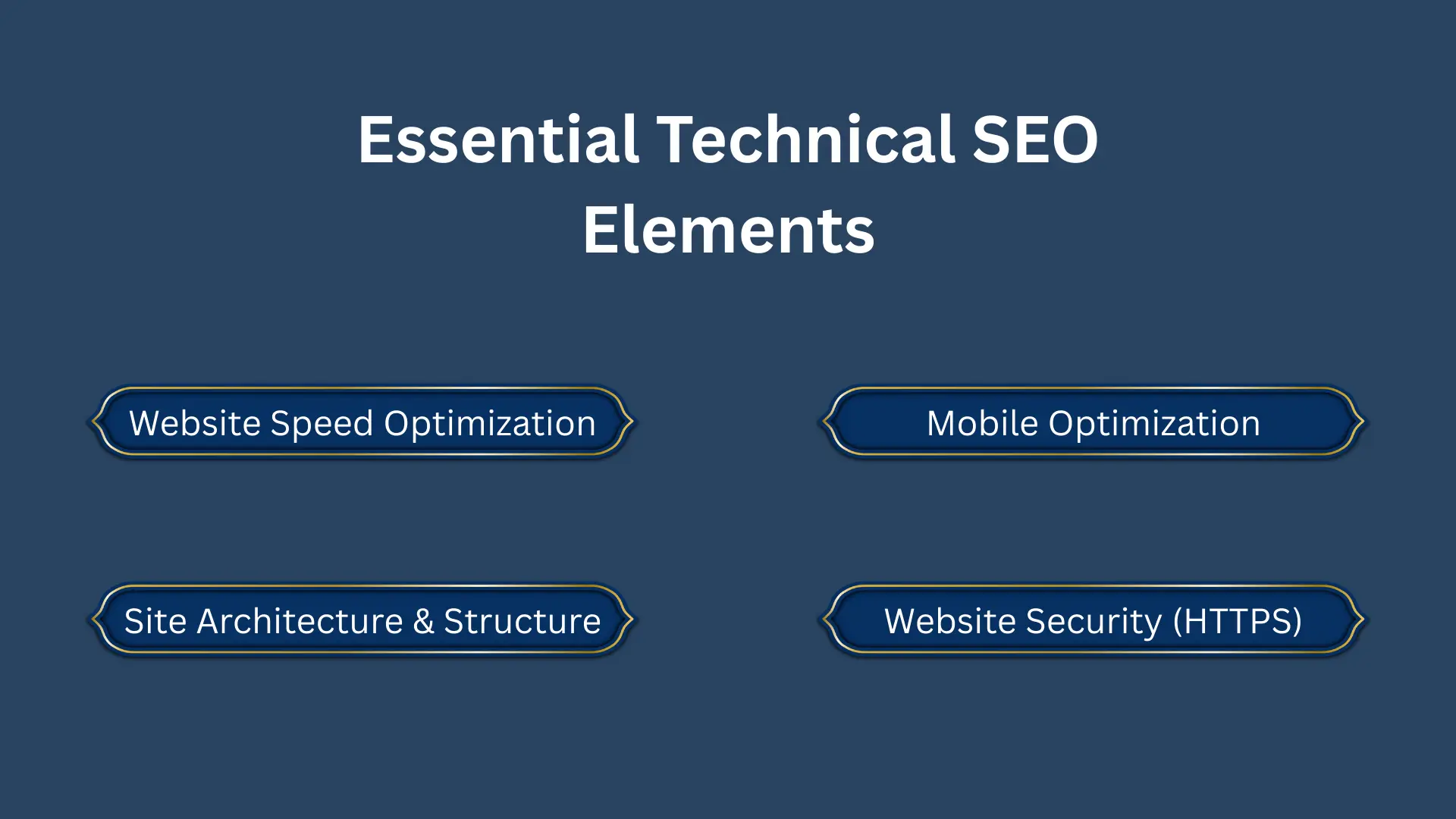
Even the best content cannot succeed without a solid website. Moreover, technical SEO helps search engines crawl, index, and rank your site. Key areas include:
- Website Speed: Fast-loading pages improve user experience and lower bounce rates.
- Mobile Optimization: Responsive design is essential for mobile-first indexing.
- Site Architecture: Clear navigation and structured data help search engines understand your content.
- Security: HTTPS builds trust and can improve rankings.
In addition, a strong technical foundation supports all SEO efforts, from local SEO to international SEO, helping your site grow over time.
7. Link Building and Off-Page SEO
First, Off-page SEO helps build your website’s authority and trust. Moreover, high-quality backlinks show search engines that your content is valuable. Some effective strategies include:
- Guest Posting: Work with authoritative websites to get relevant backlinks.
- Brand Mentions: Even mentions without links help boost credibility.
- Influencer Collaborations: Industry influencers can drive traffic and links.
As a result, a strong link-building strategy works with your on-page SEO and content efforts. Together, they improve your site’s overall SEO performance.
8. Local SEO Strategy
First, businesses in specific areas benefit a lot from local SEO. It helps you show up in map searches, local listings, and searches in your region. Key strategies include:
- Google Business Profile: Fill out your profile fully and accurately to get noticed.
- Local Keywords: Use city and neighborhood names to improve rankings.
- Customer Reviews: Positive reviews build trust and improve local SEO.
Consequently, targeting local customers this way leads to more calls, visits, and sales.
9. B2B SEO Strategy
First, B2B marketing needs a unique approach. A B2B SEO strategy focuses on lead generation, long sales cycles, and reaching decision-makers. Key tactics include:
- Industry Keywords: Use terms that matter to business buyers.
- Long-Form Content: Whitepapers, guides, and case studies educate prospects and show your expertise.
- LinkedIn Optimization: Strong profiles and social signals improve visibility.
B2B SEO takes time, but it often brings high-value conversions.
10. International SEO Strategy
First, expanding globally requires an international SEO strategy. This helps your website rank in different countries and languages. Moreover, key elements are:
- Hreflang implementation
- Country-specific keywords
- Localized content
Therefore, with these steps, search engines show the right version to users. This improves trust and engagement around the world.
11. Ecommerce SEO Strategy
Ecommerce SEO helps online stores increase sales. Additionally, it makes products easier to find in search results.
Moreover, key focus areas include:
- Clear and unique product descriptions
- Well-structured category pages
- Honest customer reviews
- Fast and mobile-friendly pages
Consequently, when these elements work together, ecommerce SEO boosts rankings and drives more revenue.
12. Content Promotion and Distribution
Content creation is just the starting point. Promotion helps your content reach more people and deliver better results.
Moreover, you can promote content in several effective ways:
- Share it on social media
- Send it through email campaigns
- Repurpose it into new formats
In addition, promotion improves visibility and boosts engagement. It also supports a stronger and more effective SEO content strategy.
13. Analytics and Performance Measurement
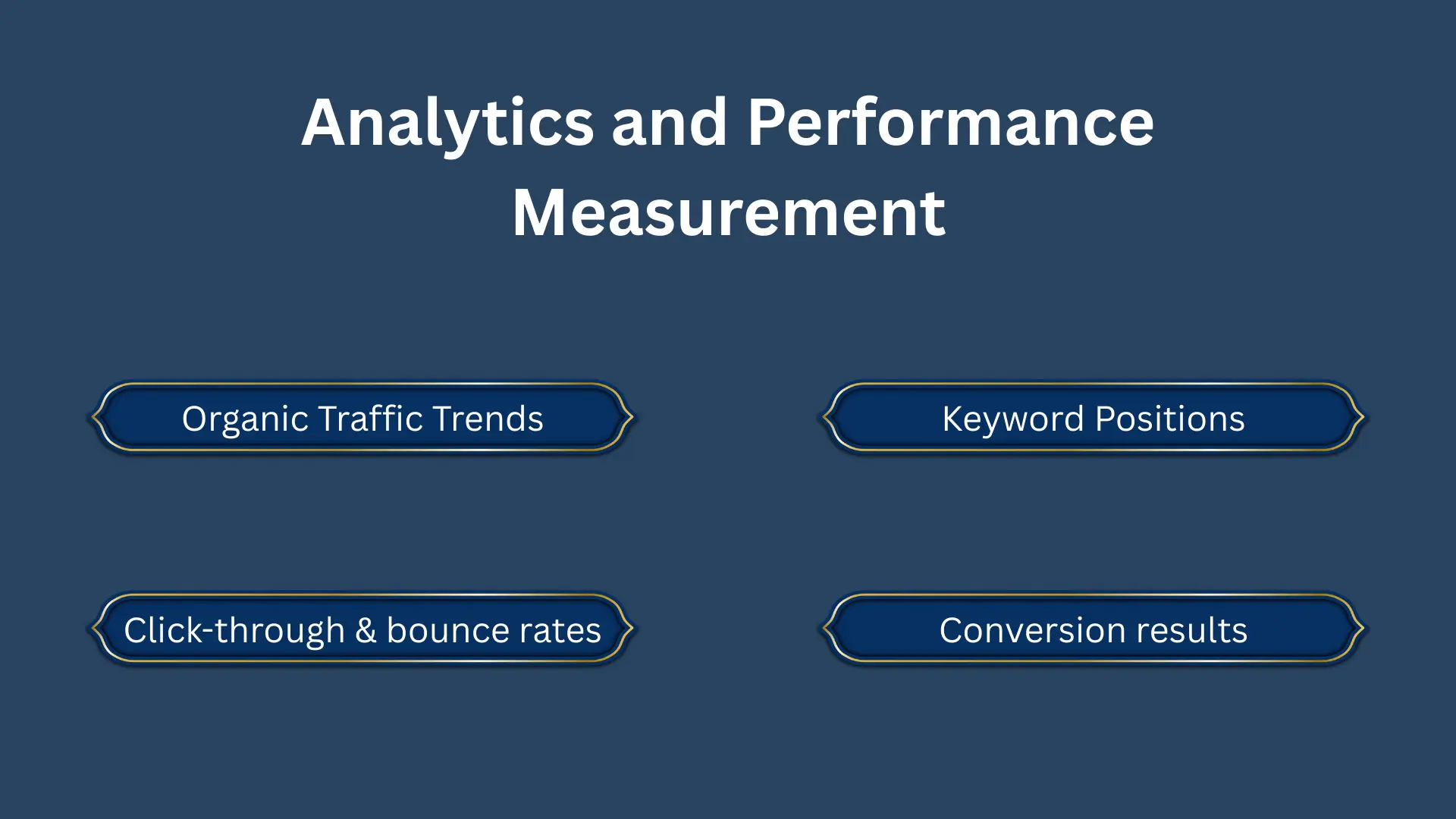
First, tracking performance shows if your SEO work is paying off. Moreover, tools like Google Analytics, Search Console, and trusted SEO platforms give clear insights into your site’s growth.
They help you track:
- Organic traffic trends
- Keyword positions
- Click-through and bounce rates
- Conversion results
Consequently, regular data checks improve your SEO content marketing strategy. This process helps you spot issues early and adjust your approach as search behavior changes.
14. Continuous Optimization and Maintenance
SEO is an ongoing process. It needs regular care to stay effective. Moreover, run content and technical audits often.
Regular actions include:
- Updating content
- Fixing broken links
- Improving weak pages
As a result, stay updated with search engine changes. Additionally, this helps your strategy remain strong. Consistent SEO work leads to steady traffic growth, better engagement, and higher revenue.
15. SEO Tools and Resources
First, using the right SEO tools makes the strategy work easier and more accurate. These tools help track performance, find issues, and improve rankings.
Recommended SEO tools include:
- SEMrush
- Ahrefs
- Moz
- Screaming Frog
- Google Search Console
Additionally, each tool supports better analysis and saves time. Together, they help improve SEO results and overall efficiency.
Conclusion
Having a clear SEO marketing strategy matters for businesses in 2026. A strong plan helps brands grow and stay visible online. It also brings better traffic and higher search rankings.
A smart strategy uses more than one SEO method. It includes an SEO content plan, local SEO, B2B SEO, international SEO, and ecommerce SEO. These tactics work together to support steady growth.
Working with a trusted guest posting company also helps. High-quality backlinks and content partnerships build authority and trust. As a result, search rankings improve faster.
FAQs
1. What is the most important part of an SEO strategy?
Good content always comes first. It should match what people are searching for. When your page answers real questions, visitors stay longer. As a result, engagement improves. Moreover, search engines notice this behavior.
How Long Does SEO Take to Show Results?
SEO does not work overnight. In most cases, results appear within three to six months. However, the timeline depends on several factors. For example, competition level, industry demand, and effort all matter.
Should You Do SEO In-House or Hire an Agency?
Both options can be effective. However, the right choice depends on your resources and goals. In-house SEO works well if you have time and experience.
On the other hand, agencies often deliver faster results.